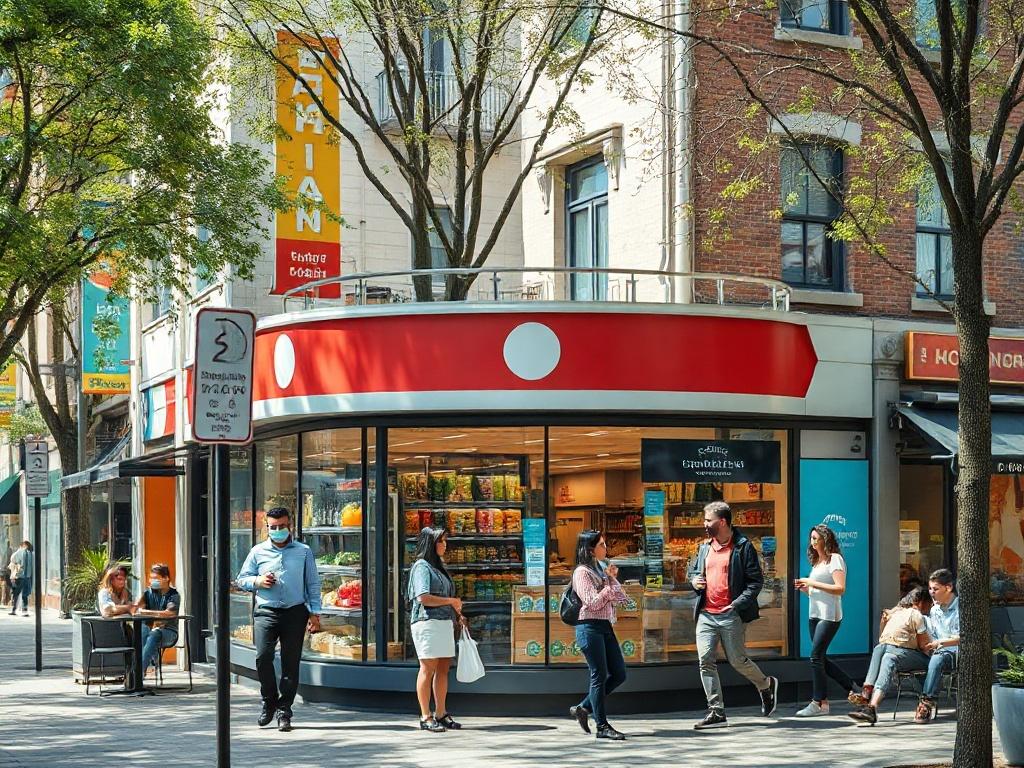
In recent years, neighbourhood and convenience centres have transformed from mere shopping destinations into vibrant community hubs, reflecting the evolving needs of today’s consumers. As daily convenience trips increasingly take the place of traditional weekly grocery runs, these centres are adapting to become integral parts of local life, offering not just retail options but also spaces for social interaction and community engagement. According to retail property expert Vanessa Rader from Ray White Group, this shift signals a profound change in how neighbourhood centres are perceived and valued within the retail landscape.
With the latest data indicating robust returns for these centres amid a changing economic climate, investors are now recognizing their potential as stable and enduring assets. As consumers lean towards local, needs-based shopping experiences, neighbourhood centres are proving resilient against larger retail formats. By embracing thoughtful design, diverse offerings, and community-focused programming, these centres are not only meeting immediate consumer demands but also enhancing the overall retail experience. The evolution of neighbourhood centres exemplifies a broader trend where convenience meets community, reshaping interactions and investment strategies alike.
The evolution of neighbourhood centres into essential community hubs
Neighbourhood centres are transforming from mere shopping venues into vital community hubs that cater to the evolving needs of local residents. As consumers increasingly favour daily convenience trips over traditional weekly shopping excursions, these centres have begun to offer more than just retail options. They now host an array of services and amenities that foster genuine community engagement, creating vibrant spaces where people gather, socialize, and interact. This shift enhances the role of neighbourhood centres as indispensable components of daily life, fulfilling not only shopping needs but also broader social and cultural functions.
As these centres adapt to the changing landscape, they emphasize thoughtful design and diverse offerings tailored to community preferences. Quality food options, engaging events, and dedicated spaces for local programs contribute to an atmosphere where residents feel a sense of belonging. This evolution reflects a growing recognition that today's consumers are looking for more than just a transactional experience; they seek environments that enrich their lives, encourage connections, and transform ordinary errands into meaningful outings. Consequently, neighbourhood centres are now positioned at the heart of community dynamics, seamlessly blending convenience with a deeper sense of purpose and engagement.
How shifting consumer habits are redefining convenience and daily interactions
As consumer habits continue to evolve, the traditional notion of shopping is transforming. The movement away from weekly shopping trips towards daily convenience transactions brings neighbourhood and convenience centres into sharper focus. These centres are no longer merely places for bulk purchases; they are becoming vital community infrastructure, fostering daily interactions among residents. Shoppers now prioritize quick, accessible trips that integrate seamlessly into their day-to-day lives, leading to a growing demand for amenities that enhance convenience, such as cafés, fitness studios, and community spaces.
Moreover, this shift necessitates a reevaluation of how these centres engage with their communities. Retail spaces that innovate their offerings—by incorporating cultural or experiential elements—tend to attract more foot traffic and longer dwell times. Consumers increasingly seek experiences over mere transactions, making it imperative for neighbourhood centres to provide quality food options and community programming. As a result, areas that encourage social interactions and create a sense of belonging not only thrive but also redefine how residents view their local shopping environments. This dynamic approach ensures that neighbourhood centres remain relevant, enriching the fabric of everyday life.
The investment potential of neighbourhood centres in a changing retail landscape
The shift towards daily convenience trips greatly enhances the investment potential of neighbourhood centres, as highlighted by Ray White Group's Head of Research, Vanessa Rader. With total returns of 8.5 per cent reported for the year ending December 2025, and capital growth of 2.7 per cent, these centres are outpacing traditional sectors like office and industrial real estate. Investors increasingly view neighbourhood centres as resilient assets in the face of economic uncertainty because they provide a steady income stream from tenants who have adapted successfully to recent challenges. The consistent performance during periods of financial stress further underscores their appeal, making them a smart choice for those looking to optimize their portfolios.
The structural under-supply of retail space in Australia amplifies the attractiveness of investing in neighbourhood centres. As demand for specialty retail remains robust, even in fluctuating economic conditions, this segment proves its worth by sustaining lower vacancy rates and offering fewer options for new supply. According to Rader, the successes of tenants who have adjusted their business models to thrive during disruptions have led to more sustainable rent structures. Investors should look for neighbourhood centres that foster community engagement through diverse offerings, robust programming, and thoughtful design, as these attributes not only draw foot traffic but also enhance long-term rental performance and capital appreciation.